Initiative
Methane
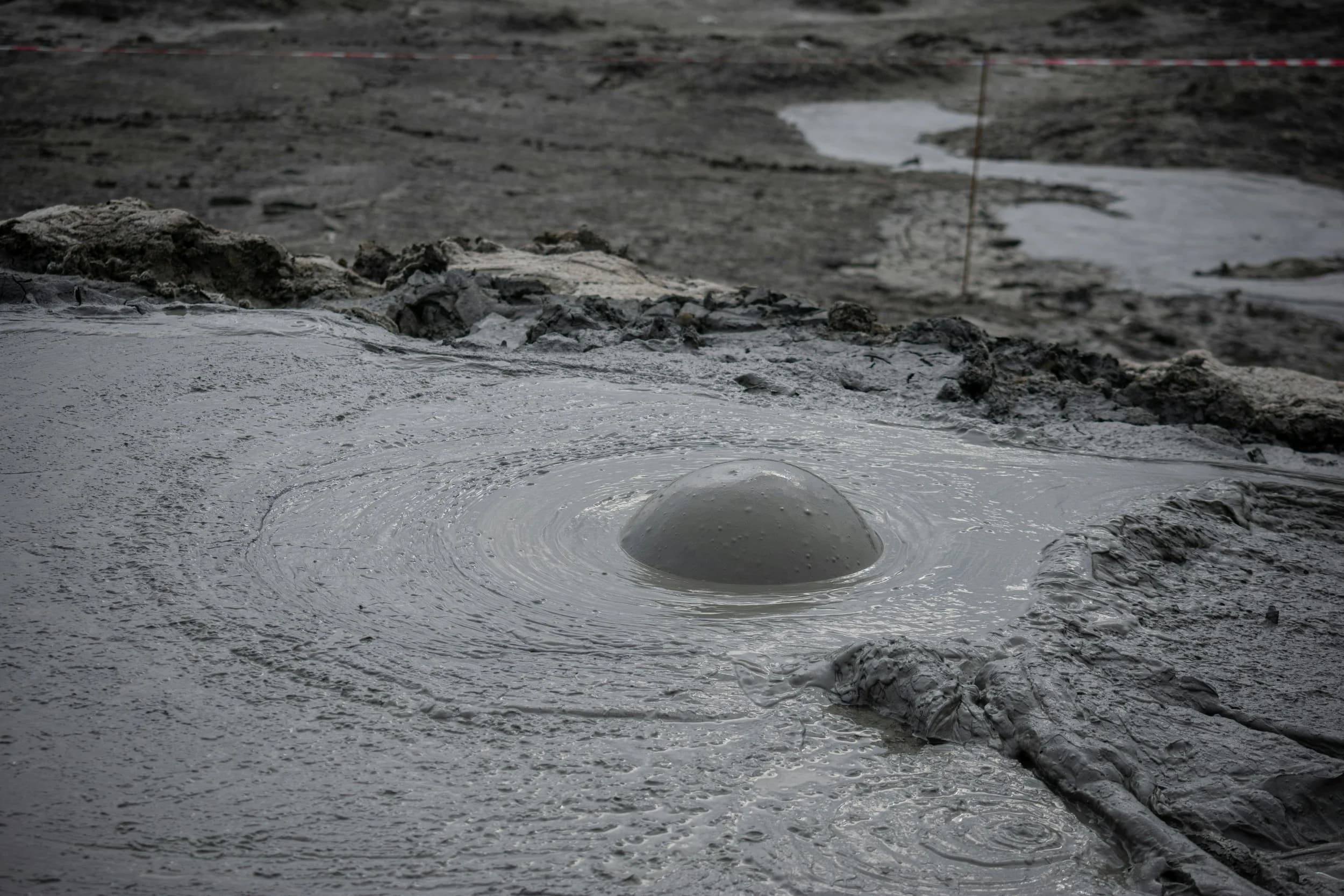
We explore microbial life in methane-rich environments such as hot springs, mud volcanoes, and seeps— to uncover how microbes shape carbon cycles and our environment
The Problem
Why Methane?
Methane (CH₄) is over 25 times more potent than CO₂ as a greenhouse gas. In natural hotspots where methane escapes to the surface, microbes thrive on steep chemical and temperature gradients. By studying these sites, we gain:
- New insights into climate processes – how microbes consume or release methane.
- Transferable biological functions – enzymes and pathways with potential applications in climate resilience and biotechnology.
- Natural testbeds – environments where change happens rapidly, allowing us to track microbial responses in real time.
As Seen In
Read more“The Very Hungry Microbes That Could, Just Maybe, Cool the Planet”
They feast on bubbles of methane seeping out of the ocean floor. Could their appetites be harnessed to slow climate change?
Fieldwork
The Expedition
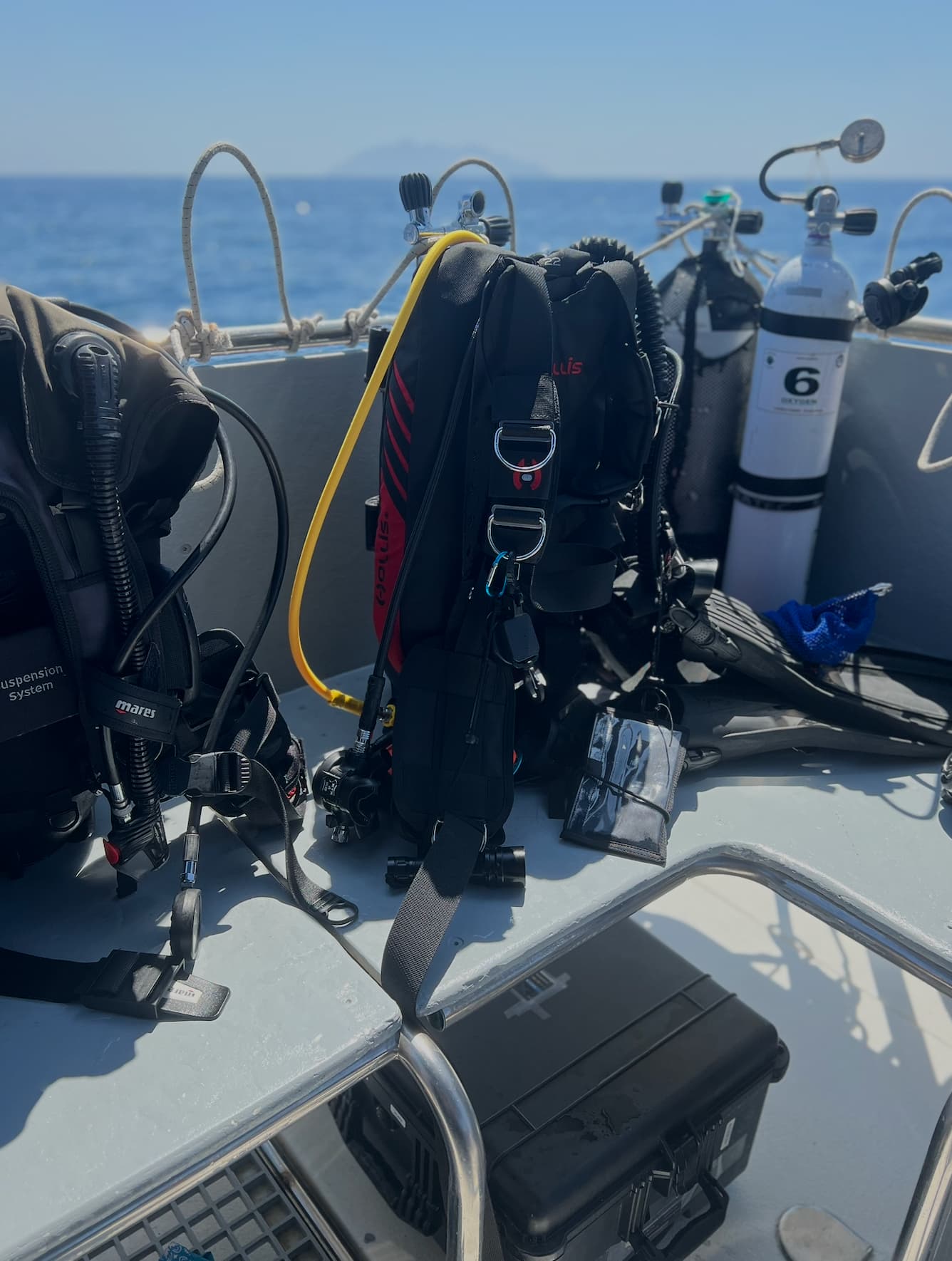
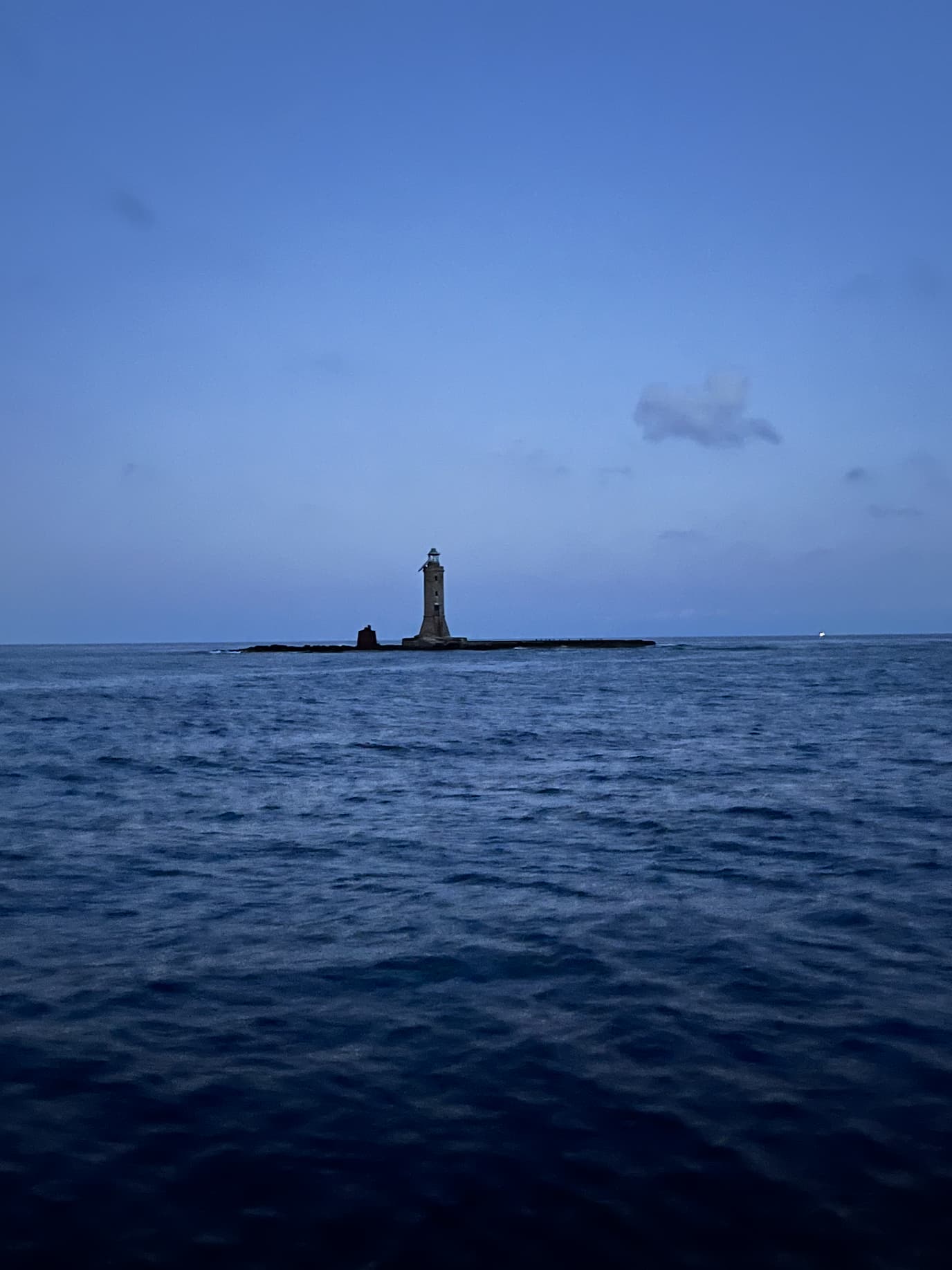
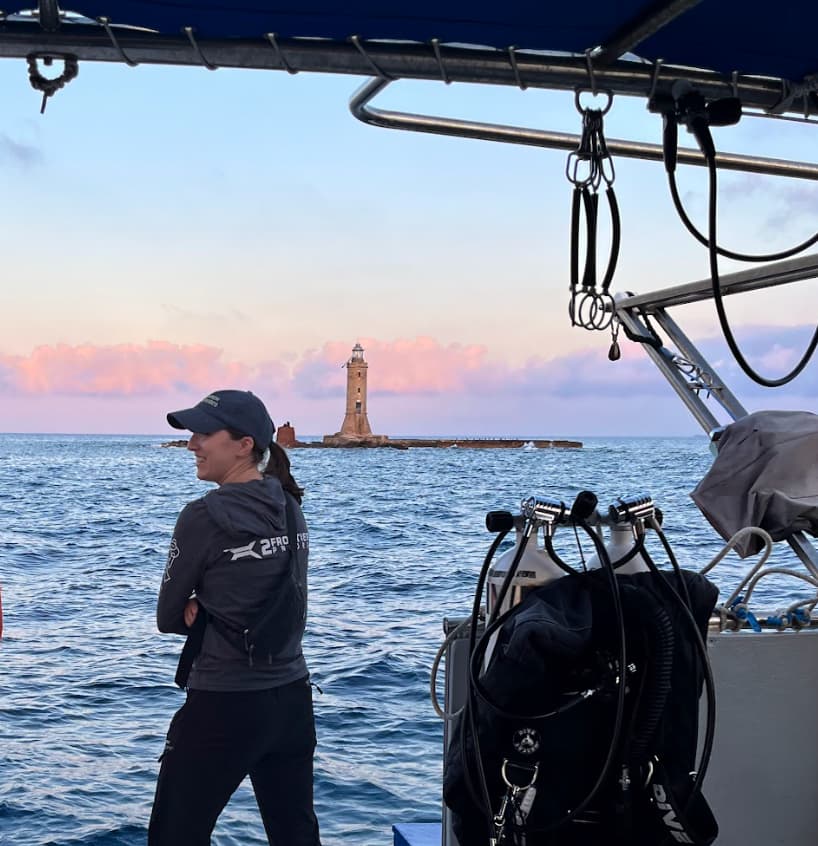
In 2025, our team launched Methane1 in the Tyrrhenian Sea of the coast of Italy. Working from small boats and coastal sites, we sampled bubbling mud volcanoes, methane-rich sediments, and microbial mats at Scoglio d' Africa. These natural laboratories let us capture how microbes consume methane before it reaches the atmosphere.
Methods
How We Study Methane
Field Expeditions
We sample hot springs, seeps, and mud volcanoes, measuring methane, temperature, and pH gradients.
Lab Work
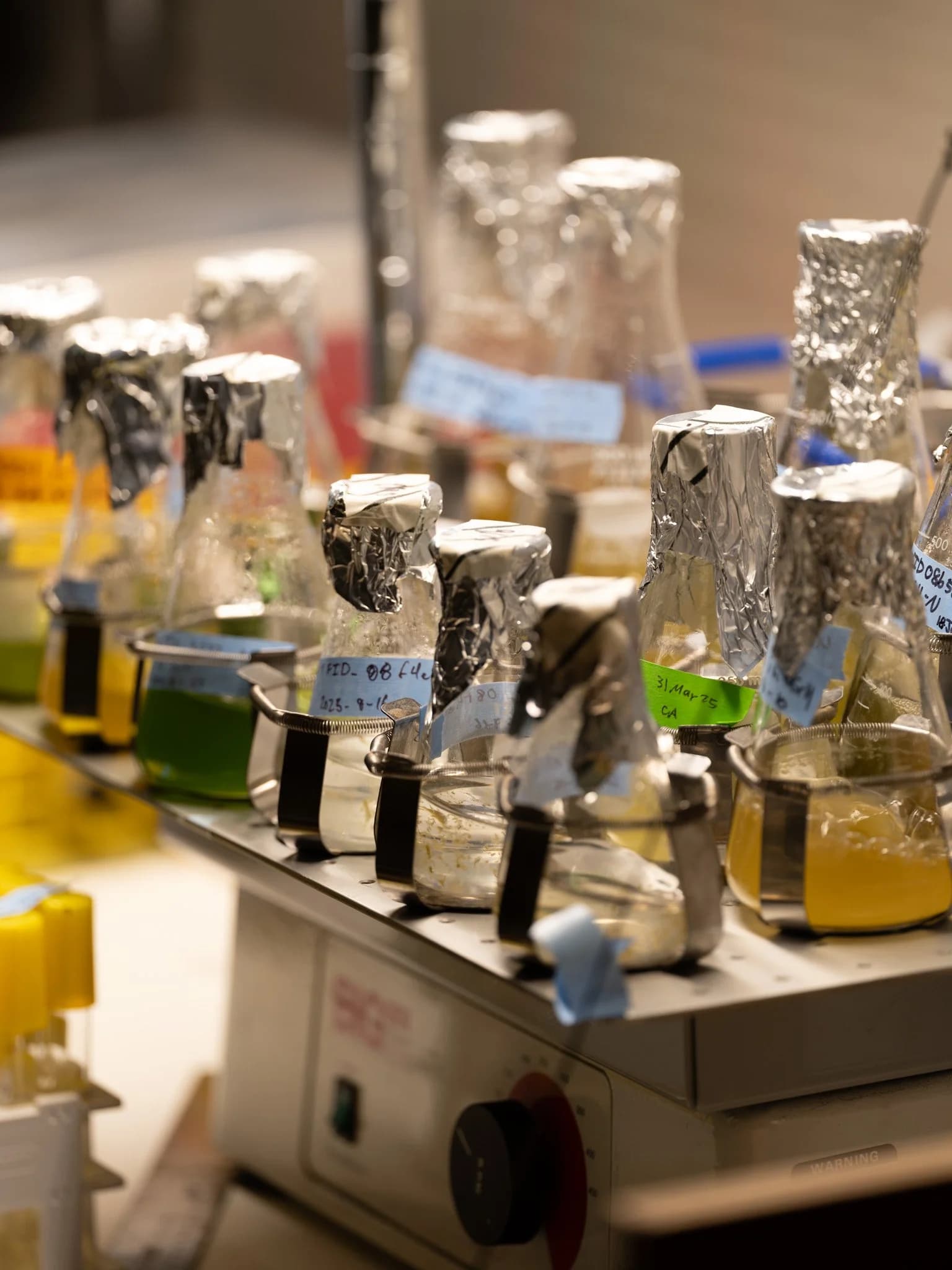
We enrich for methane-using microbes, sequence their genomes, and test how they grow under different conditions.
Data & Translation
We aim to release open datasets and link genomes, cultures, and geochemical context from these data through our Living Library, connecting discovery to applied use.
Support
Without the continued support from collaborators and funders, we would not be able to conduct this critical research and continue to expand the boundaries of what is possible.
Looking Ahead
What's Next?
Methane1 is just the start. Our upcoming expeditions extend to Romania, Azerbaijan and other area of extreme methane output. Currently, while gearing up for future expeditions, we're also hard at work to output more of our research finding at Scoglio d'Africa.